What it feels like
- Ache across the belt line after sitting, lifting or standing long
- Stiffness first thing in the morning that eases as you move
- Sharp catch when you bend to pick something up
- Tightness that stretching relieves for a few minutes, then returns
The mechanics behind it
The hip hinge goes missing
When the hips do not flex well under load, the lumbar spine bends instead. Every pick-up turns into a spinal flexion rep, and repeated flexion under load is a classic irritant.
Neutral spine is a loading state, not a pose
A neutral lumbar position means the trunk muscles share load around the spine. Bracing too little lets segments buckle; bracing rigidly all day can also keep tissues sensitised. The aim is the right stiffness for the load.
Long lever, big moment
The further a load sits from the spine, the larger the moment the back muscles must resist. Holding a bag at arm's length or lifting with the bar drifting forward multiplies the demand on the low back.
Hips and thoracic spine that will not move
If the hips cannot rotate and the upper back cannot extend or turn, the lumbar spine becomes the hinge for everything. It was built for stability more than for large rotation.
Common movement faults
- Rounding the low back to lift instead of hinging from the hips
- Over-arching (hyper-extending) at the end of a deadlift or overhead press
- Twisting under load with the feet planted
- Sitting for hours without changing position
- Stretching the hamstrings hard while the back is irritable
Simple self-checks
Dowel hip hinge
How: Hold a stick along the spine touching head, upper back and tailbone. Push the hips back as if closing a car door with your bottom.
What to look for: If the stick leaves the tailbone or the head before the hips have moved well back, the back is bending instead of the hips hinging.
Supine leg raise
How: Lie on your back and raise one straight leg slowly.
What to look for: Notice if the pelvis tilts or the low back arches early. Leg pain that shoots below the knee is a reason to see a clinician first.
Sit-to-stand
How: Stand up from a chair five times without using your hands.
What to look for: Watch for the trunk lurching forward and the back rounding to get up.
Stop any check that reproduces sharp pain, and do not push through numbness or pins and needles.
A staged movement plan
Calm
Reduce irritation and keep moving
- Walking little and often
- Crocodile breathing
- Supported knee-to-chest rocking within comfort
Restore
Get the hips and upper back moving so the lumbar spine does not have to
- Quadruped rock-backs
- Open books for thoracic rotation
- Half-kneeling hip flexor mobility
Load
Teach the trunk to share load around a neutral spine
- Dead bug
- Side plank progressions
- Bird dog
- Dowel hinge to kettlebell deadlift
Integrate
Carry the pattern into real life and training
- Suitcase carries
- Romanian deadlift with good hinge
- Lifting practice from different heights
Move to the next stage when the current one feels easy and symptoms are settling. A flare-up usually means stepping back one stage, not stopping.
See a clinician first if you have
- Numbness in the groin or saddle area, or new bladder or bowel changes: seek emergency care
- Progressive leg weakness or foot drop
- Pain after a significant fall or accident
- Night pain that does not change with position, fever, or unexplained weight loss
Videos
Straight Leg Twists: Sculpt Your Core & Ignite Stability (Free!)
BodyGNTX video · details
Supinated Hover Crunches: Ignite Your Core with Minimal Hand Support (Free!)
BodyGNTX video · details
Absmill: Twist & Sculpt Your Core (Free Video!)
BodyGNTX video · details
Conquer Core & Sculpt Physique with V Sit Ups (Free Video!)
BodyGNTX video · details
Conventional Deadlift: Unlock Power & Grip Your Goals
BodyGNTX video · details
Straight Leg Twists - Core Blast 💥
YouTube · @bodygntx
Read next
Neutral Spine Is Not a Position — A Load-Dependent Mechanical State
The MMSx Authority Institute challenges the neutral spine doctrine.
Read · Mar 2026Mastering the Deadlift: Unveiling Biomechanics and Strengthening Weak Points – A Scientific Journey with Dr. Neeraj Mehta
Introduction:Embarking on the journey to master the deadlift requires more than just lifting weights. I am Dr. Neeraj…
Read · Nov 2023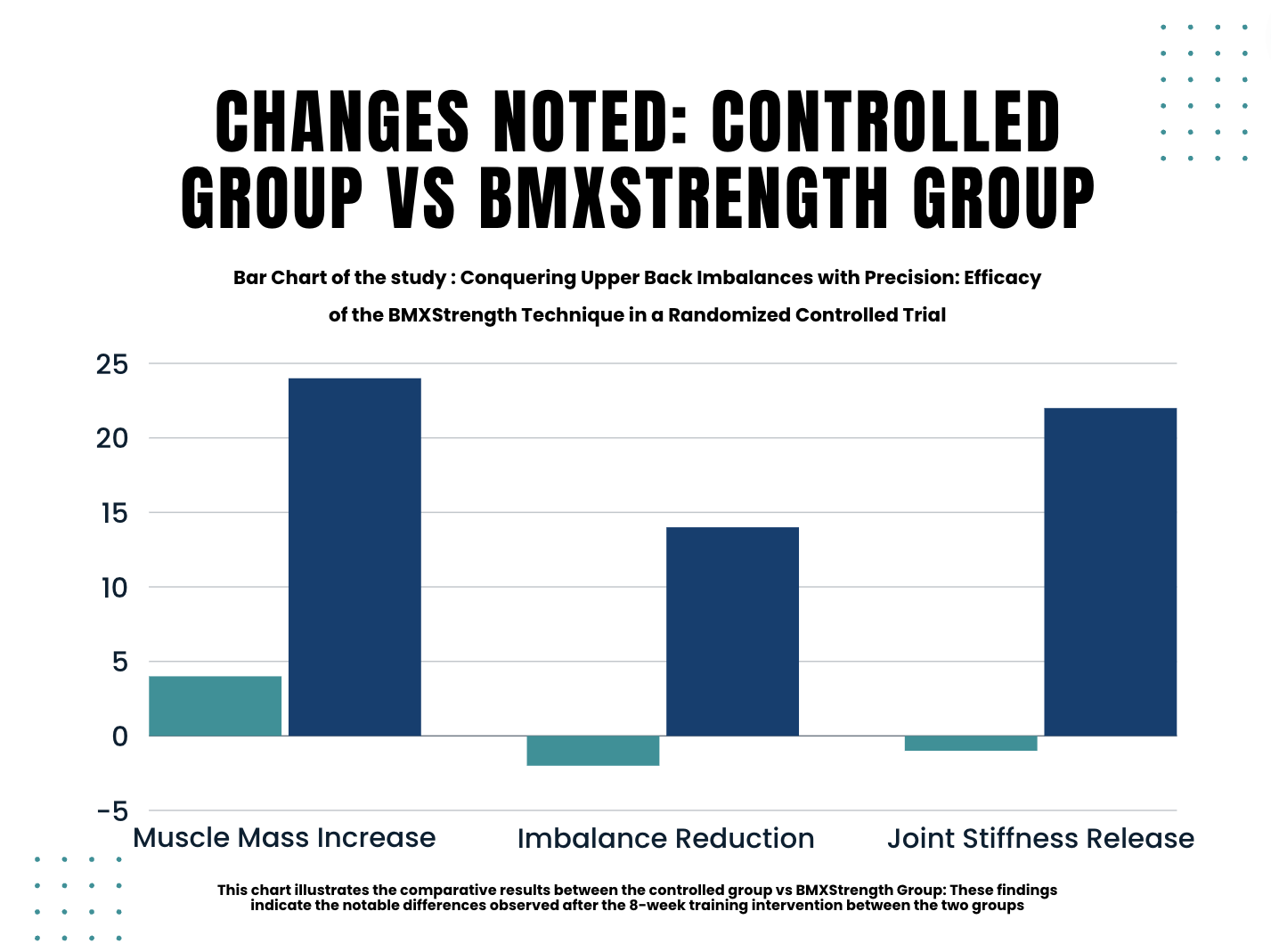
Conquering Upper Back Imbalances with Precision: Efficacy of the BMXSTRENGTH Technique in a Randomized Controlled Trial
Title: Addressing Upper Back Imbalances: Efficacy of the BMXStrength Technique in a Controlled Trial Abstract: Upper…
Read · Dec 2023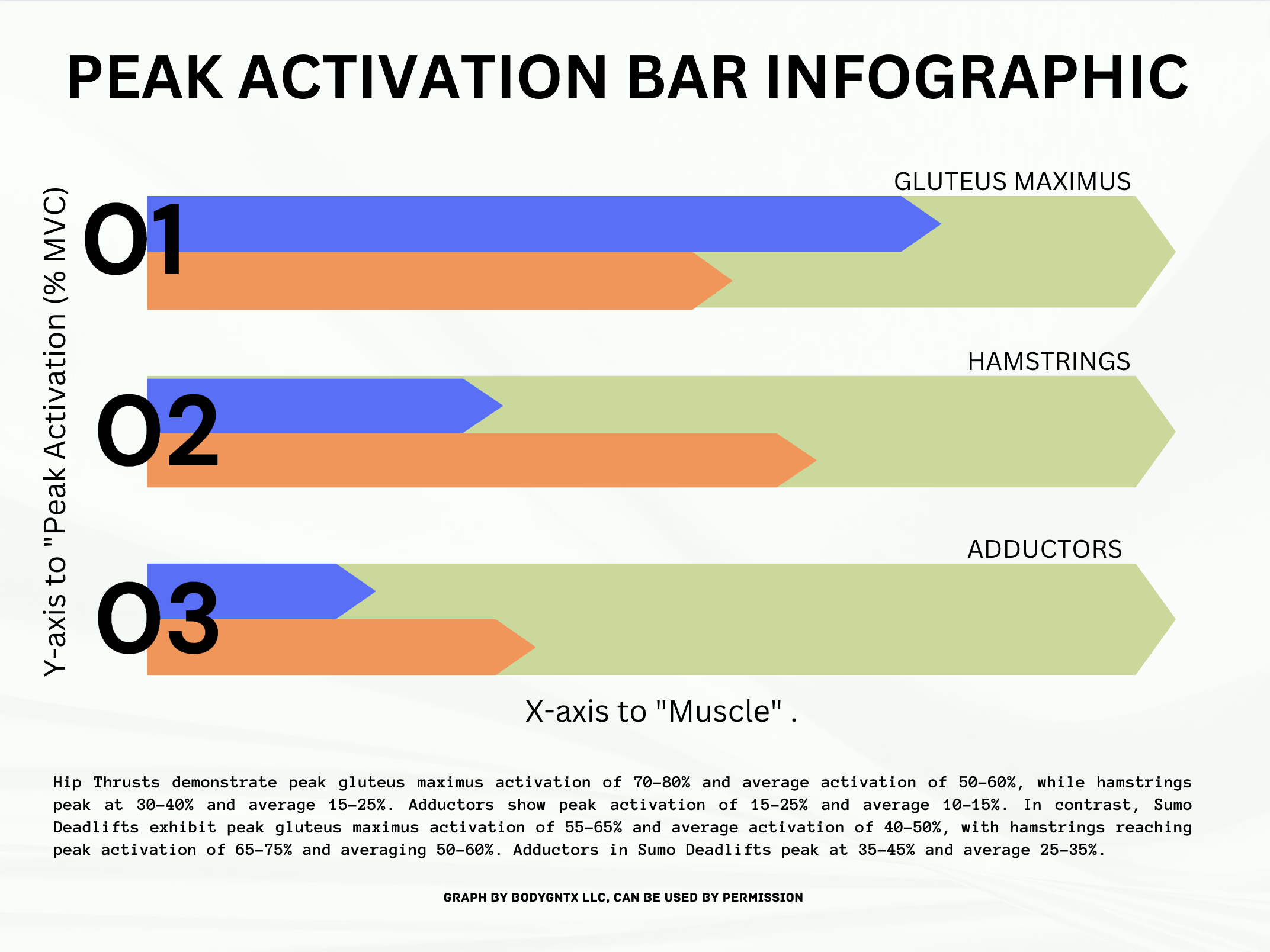
Improved Analysis of Hip Muscle Activation: Comparing Barbell Hip Thrusts with Sumo Deadlifts to Determine the Best Exercise Choice
Authors: Dr. Neeraj Mehta, PhD, Dr. Santa March, Adam Smith, Dr. Alok Shrivastav (Department of Biomechanics, American…
Read · Jan 2024