What it feels like
- Doming or bulging along the midline when sitting up or lifting
- Low back ache with core exercises
- Feeling unstable carrying loads
- Pelvic floor symptoms such as leaking when coughing, jumping or lifting
The mechanics behind it
Intra-abdominal pressure
Bracing works by creating pressure inside the trunk that stiffens it around the spine. The diaphragm, deep abdominals and pelvic floor must coordinate to build and hold that pressure without it pushing out at the weakest point.
The midline is a tension line
The linea alba connects the two sides of the abdominal wall. What matters most with diastasis is whether the midline can generate tension when you load, not only how wide the gap is.
Anti-movement before movement
The core's main daily job is to resist unwanted motion: resisting extension, rotation and side bending. Training those qualities often transfers better than endless crunches.
Breathing is part of the core
Breath-holding and pushing outward on every effort can overload the midline and pelvic floor. Learning to exhale through effort helps manage pressure.
Common movement faults
- Crunching through visible doming
- Holding the breath and bearing down on every lift
- Only training flexion exercises
- Jumping back into heavy or high-impact training too fast after pregnancy
Simple self-checks
Head lift check
How: Lie on your back with knees bent and slowly lift the head and shoulders.
What to look for: Look for doming or coning along the midline. A women's health physiotherapist can measure the gap and tension properly.
Dead bug control
How: Lie on your back with arms and legs up, then lower the opposite arm and leg.
What to look for: Watch whether the low back arches off the floor or the belly bulges.
Breath and brace
How: Breathe in through the nose and feel the ribs widen, then exhale and gently draw the lower belly in.
What to look for: Notice whether you can feel the deep abdominals engage without holding the breath.
Stop any check that reproduces sharp pain, and do not push through numbness or pins and needles.
A staged movement plan
Connect
Coordinate breath, deep abdominals and pelvic floor
- 360-degree breathing
- Exhale-to-engage drills
- Heel slides
Control
Resist movement with low load
- Dead bug
- Bird dog
- Side plank from the knees
- Pallof press
Load
Increase load while keeping midline tension
- Suitcase carries
- Front plank progressions
- Goblet squats with breath control
Integrate
Return to running, lifting and full-range abdominal work when control is solid
- Graded impact progressions
- Loaded carries
- Controlled crunch and leg-raise variations
Move to the next stage when the current one feels easy and symptoms are settling. A flare-up usually means stepping back one stage, not stopping.
See a clinician first if you have
- A painful bulge in the abdomen or groin that does not go back in: seek urgent care
- Pelvic pain or heaviness that is getting worse
- Ongoing bladder or bowel control problems
- Recent abdominal surgery or caesarean section without clearance from your doctor
Videos
Crunches with ball
BodyGNTX video · details
Ball throw crunches
BodyGNTX video · details
Crunches with side to side
BodyGNTX video · details
Twisting crunches 1
BodyGNTX video · details
Leg raises in CRUNCH pose
BodyGNTX video · details
Knee bend CRUNCH
BodyGNTX video · details
Read next
Title: The Impact of traditional Elbow Bend Angle versus straight elbow and flexed wrist on different Muscle Activation and Shoulder Joint Stability during the Pullovers Exercise
Abstract: This study, led by Dr. Neeraj Mehta, Professor of Exercise Prescription & Corrective Exercise at the…
Read · Jul 2023Cardio and Core Burn – HIIT Session
Cardio and Core Burn Circuit 1 1. High Knees – 60 seconds 2. Russian Twists – 20 reps (10 each side) 3. Read More
Read · Jan 2024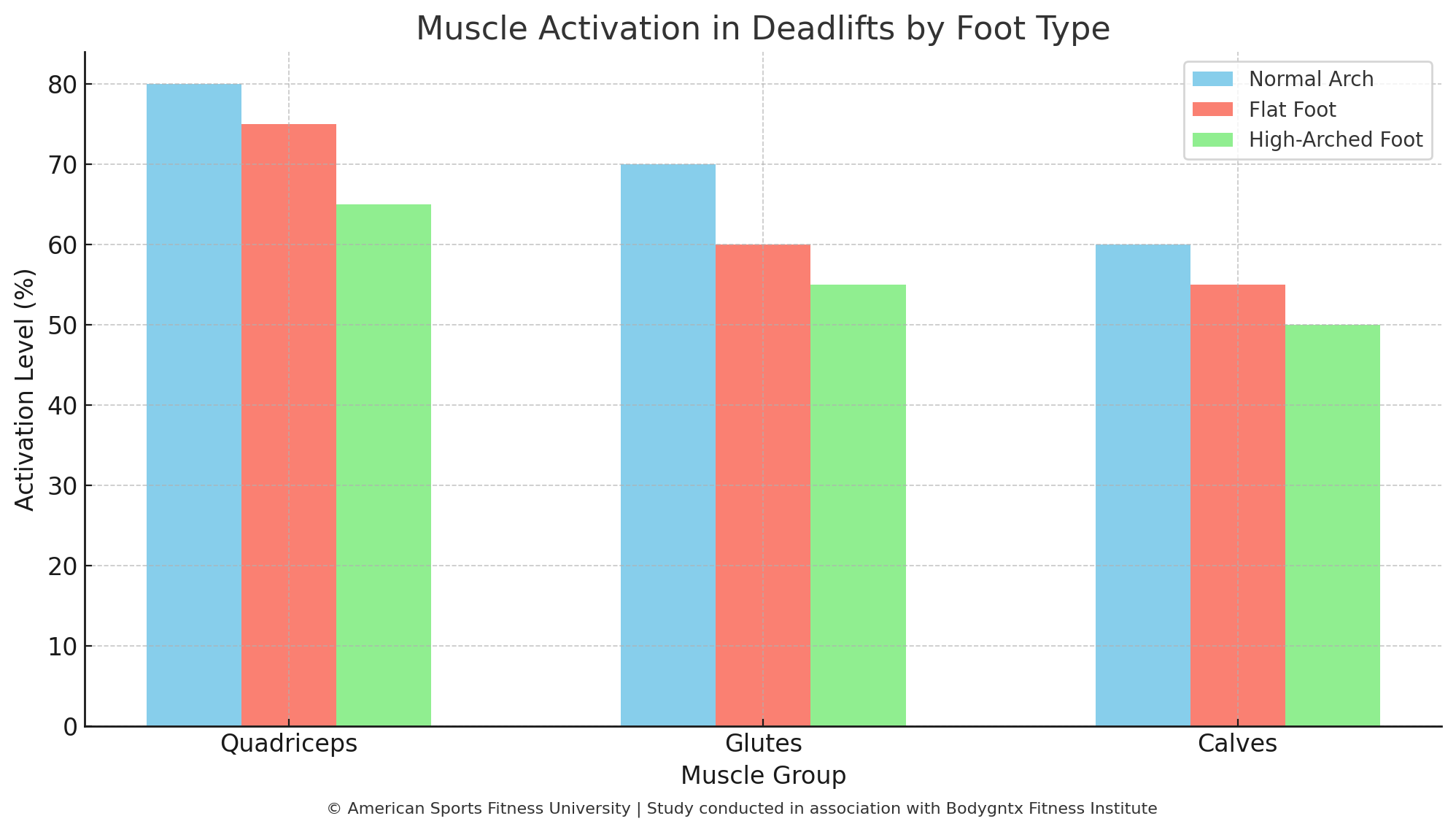
The Impact of Foot Structure on Stability and Performance in Strength Training Exercises
The Impact of Foot Structure on Stability and Performance in Strength Training Exercises American Sports Fitness…
Read · Nov 2024
Spinal Stability: The Key to Injury-Free Training
By Dr. Neeraj Mehta, PhD (Biomechanics & Alternative Medicine), BodyGNTX Fitness Institute Introduction: Why Spinal…
Read · Mar 2025